Sectors
Defibrillators for
hospitality and venues.
High footfall, public access and late hours mean the responder is as likely to be a customer as a colleague. The setup has to work for strangers.
First on scene
is usually a customer or a colleague, not a medic. Visibility decides what they can do
Evenings
peak trading is exactly when surgeries are shut and response times stretch
Every minute
without CPR and defibrillation, the chance of survival falls by around 7 to 10 percent (published resuscitation research)
What we do
Cover that works *front of house*
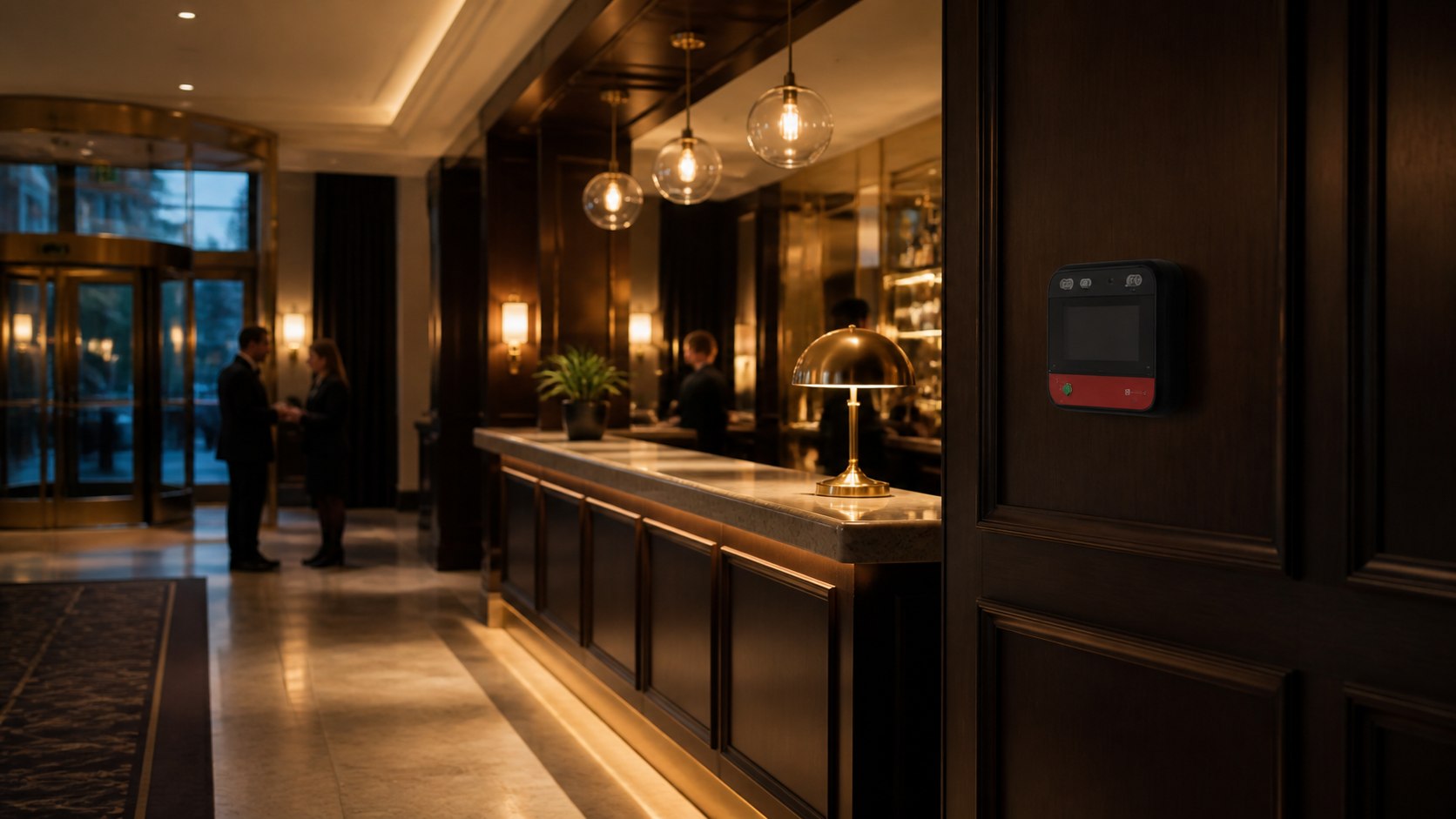
Visible siting, access that works at midnight, and briefings sized for hospitality rotas. Built for venues where the first responder may be a guest.
Front-of-house siting
Visible near the bar or reception, with signage that works in low light.
Late-hours access
No hunting for the manager with the key at midnight.
Monitored through turnover
Readiness that survives weekly rotas and staff changes.
Induction-sized briefing
A one-minute script we help you build into staff induction.
How we approach it
Risk, placement and *readiness*
What raises the risk in a busy venue, where a device needs to live when the first responder may be a guest, and how readiness survives weekly rotas. Here is how we answer the three questions that matter.
01
The risk profile
Pubs, hotels, restaurants and event venues concentrate large numbers of the public, often older guests, often in the evening when other services are closed. Alcohol, heat, dancing and celebration all raise the odds of a medical emergency on the premises, and venue staff turnover means the person on shift may never have been briefed. When a cardiac arrest happens in front of a crowd, a visible, obvious device changes what bystanders can do.
02
Where devices should live
Visibility beats discretion: the device goes where guests and staff can see it, near the main bar, reception or entrance, with signage that works in low light and a location that is staffed during opening hours. Multi-space venues, separate function rooms, terraces and accommodation floors are assessed by walking time like any other layout. For late operation we make sure access does not depend on a manager with a key being findable.
03
Keeping them ready
Hospitality staffing changes weekly, so readiness cannot live in one person's head. Monitoring keeps the device ready without depending on the rota, and we help you build a one-minute briefing into staff induction: where the device is, and that it talks you through everything. Duty managers get a little more, because they will be the ones directing the room and keeping guests calm while someone else fetches the device and clears a path.
In practice
What it looks like *front of house*
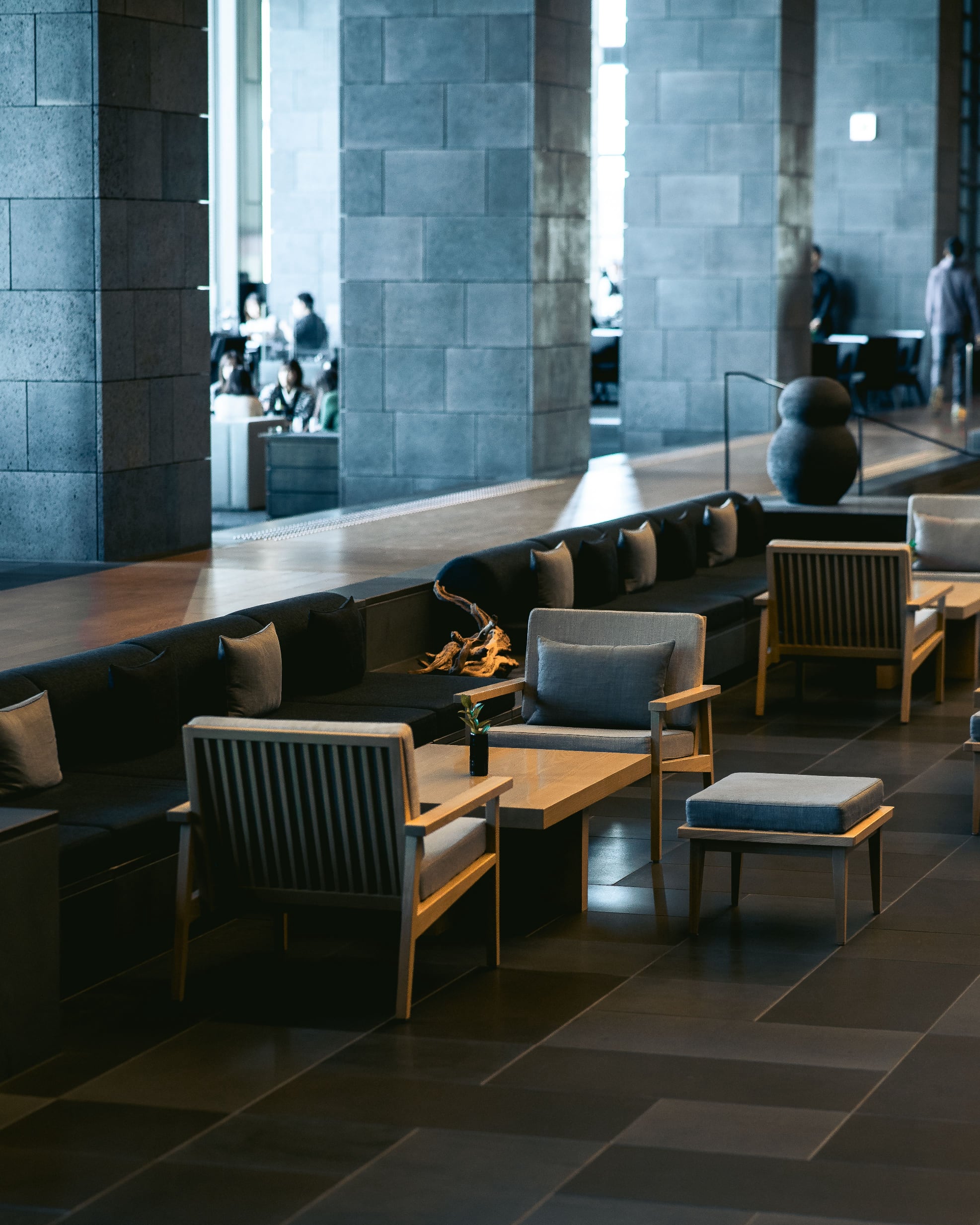
A visible device near the bar or reception, signage that works in low light, and access that never depends on finding the manager with the key. Ready on the busiest Saturday night of the year, with a rota full of brand-new faces who all heard the same one-minute briefing at induction. That is front-of-house cover working exactly as it should do, and our free assessment shows you how close your venue already is to that standard.
See how ready your workplace is
Answer a few questions about your site and get an instant, indicative readiness result with clear next steps.
Try our assessment tool