Monitoring and support
Ready is a state you can prove
Most workplace defibrillators fail quietly: expired pads, flat batteries, a cabinet nobody checks. Monitoring makes readiness a fact rather than a hope.
How it works
Quietly in the background, *loudly when it matters*
Every monitored device is looked after as standard, from the day it goes on the wall to the day it is replaced. There is nothing for your team to check, log or remember: the four things that keep a defibrillator genuinely ready happen quietly in the background, and you only hear from us when one of them needs you. No dashboards to watch, no checklists to keep up, no doubt about whether the device on your wall would actually work today.
Daily self-checks
Readiness and self-test status tracked, so a fault never sits unnoticed.
Expiry tracking
Pad and battery dates watched, replacements arranged before anything lapses.
Clear alerts
When something needs attention, you hear from us with what happens next.
After-use reset
Used in an emergency? We replace consumables and confirm it is ready again.
Example status
Device readiness
Self-test passed
Electrode pads
In date
Battery
Healthy
Multi-site
One standard across *your whole estate*
Whether you run one site or fifty, the same daily monitoring applies to every device, and one team deals with every alert, rather than you chasing each location for updates.
If something fails
From fault to *fixed*
Monitoring only matters if something happens when a check fails. This is the sequence, every time.
01
Fault detected
A failed self-test or an approaching expiry is picked up by our monitoring the day it happens, not discovered in the middle of an emergency.
02
You hear from us
We contact you with what has happened and exactly what happens next. Nobody at your end has to interpret a blinking light or find a manual.
03
Replacement arranged
Replacement pads or a new battery are arranged with you straight away, keeping any gap in your cover as short as it can possibly be made.
04
Confirmed ready
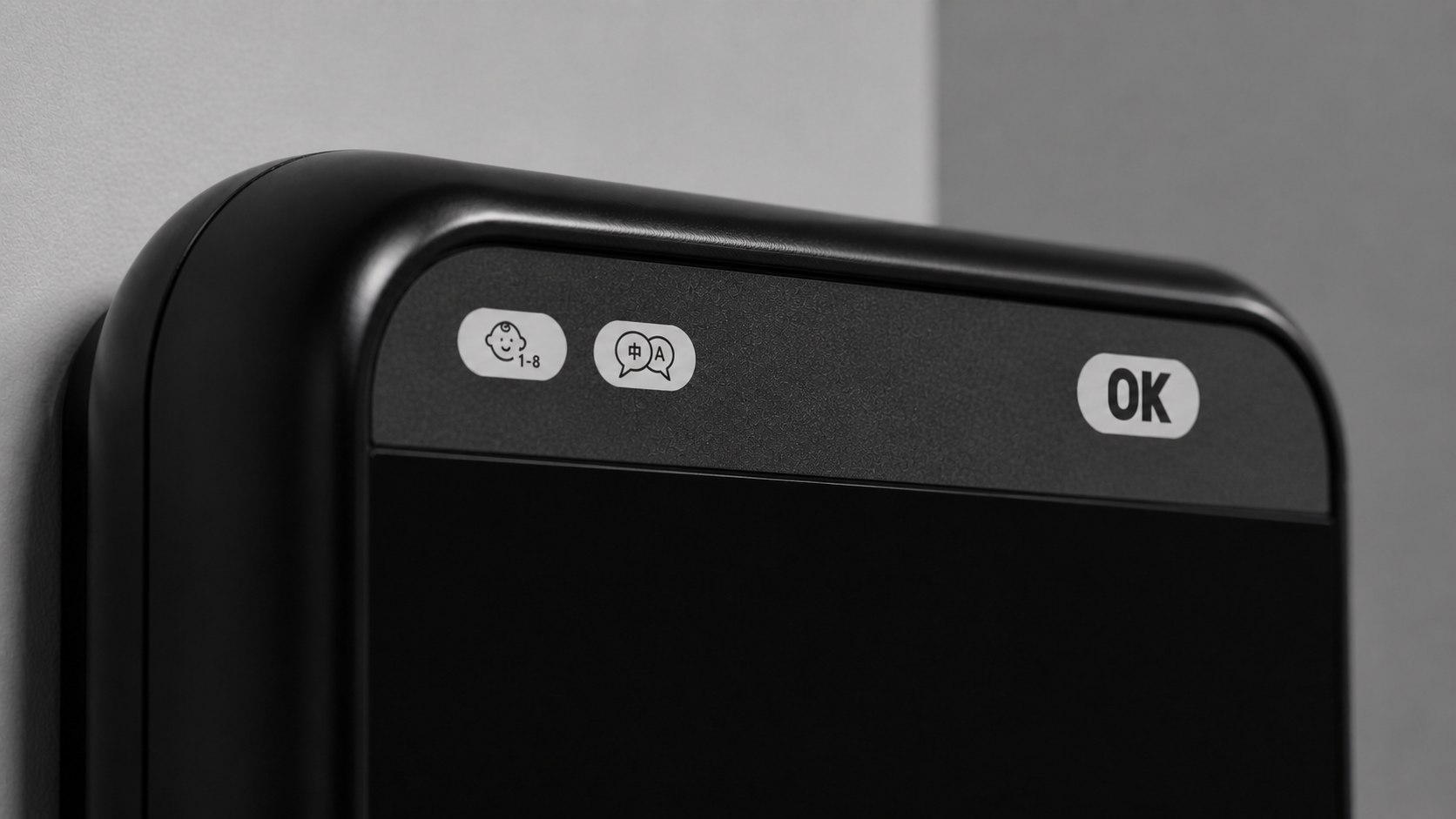
The device self-tests, shows OK, and we confirm with you that cover is back. The incident closes when readiness is proven, not assumed.
Stop hoping. Start knowing.
Add monitoring to an existing defibrillator or start fresh with a full setup.
Get in touch